Our day started with a 6 AM check in to pre-op. After the formal paperwork, she was ready to get her I.V. placed and then be taken down to surgery.
Even with doctors’ orders from 2 M.D.s; as we expected, there was no ultrasound machine available to find a vein where they could thread an I.V. Again, a full surgical team was being delayed. After some “discussion”, the ultrasound machine finally arrived. Since the vein in her GOOD arm has been accessed so many times, it has significant scarring. Even with the benefit of the ultrasound, they were unable to thread the line through the damaged blood vessel. An anesthesiologist was able to find a vein on the 3rd try and she was off to surgery. We said good bye as she was on her way for a three hour tour.
It’s protocol to update us every two hours. When we received the first call, they indicated everything was going well. Later, her transplant surgeon, Dr. Loor, stopped up to let us know the sternum extraction appeared to be successful. Nikki was hoping he would get a chance to observe some of the surgery. We were happy he took the time to stop into the O.R. and then drop by and fill us in.
When we received the call at the four hour mark of this three hour surgery, we were getting more and more concerned. Though we were reassured that the doctor was about to start grafting the donor vein. We were told it needed to be warmed in a specific way from its frozen, liquid Nitrogen bath.
At about the 6 hour mark, we were told she was being closed up and the doctor would be out to see us in 30 minutes. 30 minutes later, it was going to be another 30 minute delay. We knew she was in the hands of one of the premier surgeons who specializes in this area. But this was odd. And frightening.
When the surgeon came to see us, we could see the disappointment in his eyes. He said they were unsuccessful. He tried everything. They could not locate anything to attach to the donor vein. We weren’t clear whether that meant the end that attaches in her chest or in her arm.
Later, I spoke with another surgeon who said they could not even find the subclavian vein in her arm. It was like it wasn’t even there. He had never seen anything like it before. She has good circulation on the arterial side (going out), but they couldn’t find the vein (returning to the heart). It was very peculiar.
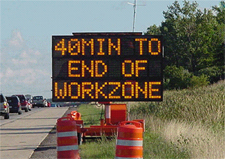
Think of it like a highway. After so much wear and tear, it needs to be repaired. There needs to be a detour. At one time there was good flow. But when it gets blocked, the flow is diverted to smaller, country roads. These are like the collateral veins which had been carrying this diverted venous blood. They were slower and could handle less traffic.

When I grew up riding my dirt bikes and ATV’s, we came across many of these old abandoned roads which led to old mining towns that had been blocked off by large barricades. Over time, the old highways become overgrown from lack of use. The traffic must slow down. Eventually, these pathways become unnavigable. They disappear.
The objective today was to build a bypass to bridge the gap over this now unviable path. The problem today was that the path had not been used since her transplant in August. All the roads leading up to it were now unable to be found. They disappeared.
It’s 7 PM and she’s still in recovery. She is going to be devastated. We are under the impression there is nothing more they can do for her. She will have to live with the symptoms and hopefully, they won’t be too much of a problem, especially since she’s diabetic. The best case scenario now is that the collateral veins (or country roads) will expand and provide better blood flow back to her heart.
The bypass or bridge cannot be built.






 Nikki's New Lungs